
Category: competencies
-
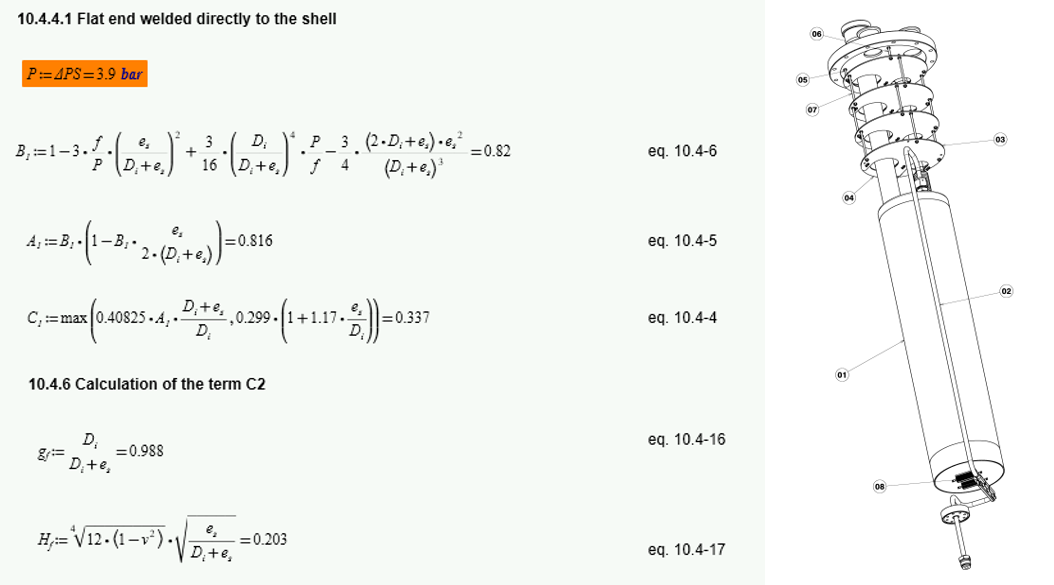
Analytical and Semi-analytical Methods
Bridging Theory and Real World with Analytical and Semi-analytical Models Simple, not trivial! Support your design with the power of analytical and semi-analytical methods. Ensure that your FE models are reliable. Implement code and guideline analytical assessment in your FE models. 01 Benchmark FE simulations. General principles of physics ad mechanics never fail: use energy…
-
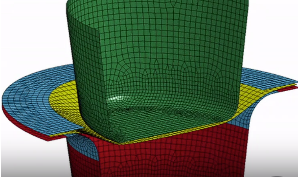
Explicit Simulations
Explicit simulations are well suited for highly nonlinear problems. By advancing in very small time steps, they capture large deformations, rapid loading, and failure with high accuracy. They are used from industrial forming processes to beam–matter interactions at CERN, where components face sudden and extreme energy deposition. NON LINEAR SIMULATIONS From large deformations to material…
-
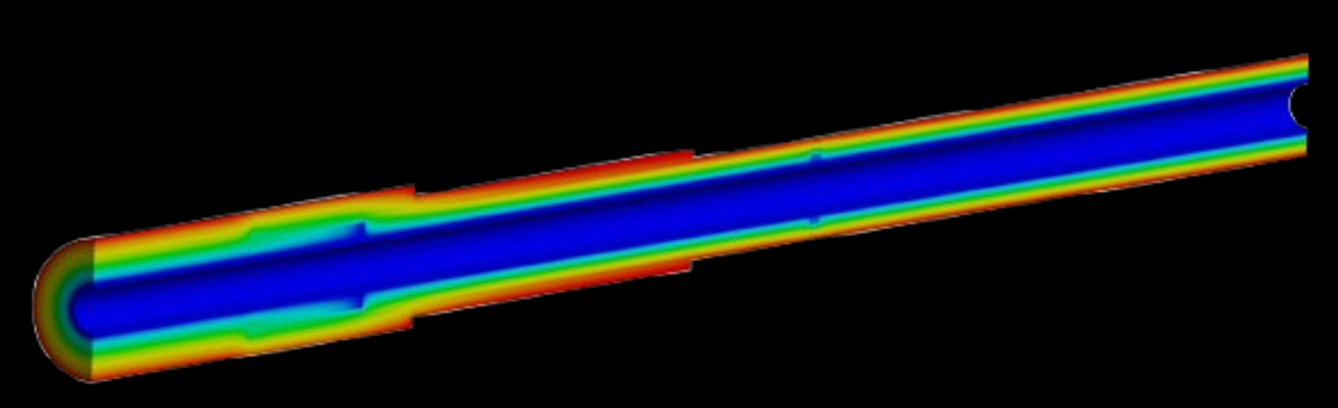
Implicit Simulations
Simulating Complexity Implicit simulations are well suited for problems in which the mechanical response evolves slowly or involves equilibrium-dominated processes. They can efficiently handle complex nonlinear system by solving the governing equations iteratively at each load step. Implicit simulations are frequently used in our analyses, as they reliably capture loading conditions we encounter most often:…
-
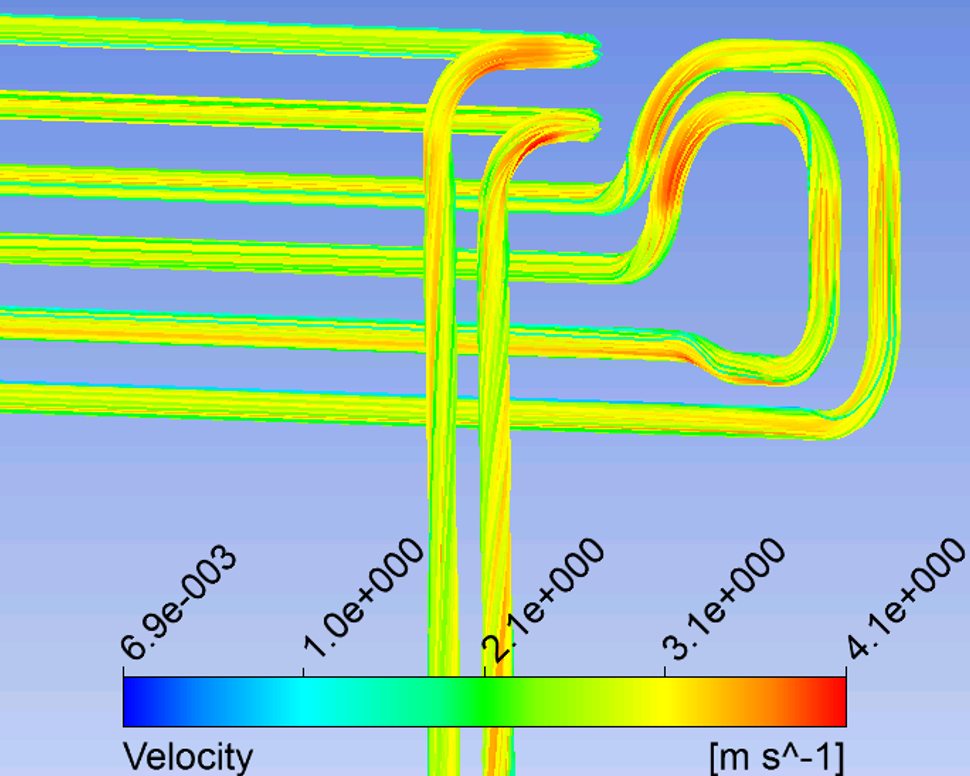
Multi Physics Studies
Strongly-Coupled Multiphysics Simulations In our particle accelerator applications, thermal, mechanical, fluid-dynamic, and electromagnetic problems are often strongly coupled. For finite element simulations, we usually adopt COMSOL for this type of strongly coupled analyses. EXAMPLES OF CALCULATIONS Crab Cavities: Fundamental Power Coupler (FPC) HL-LHC Collimators: Evaluation of thermal performance of bolted/brazed interfaces In thermomechanical problems, one…
-
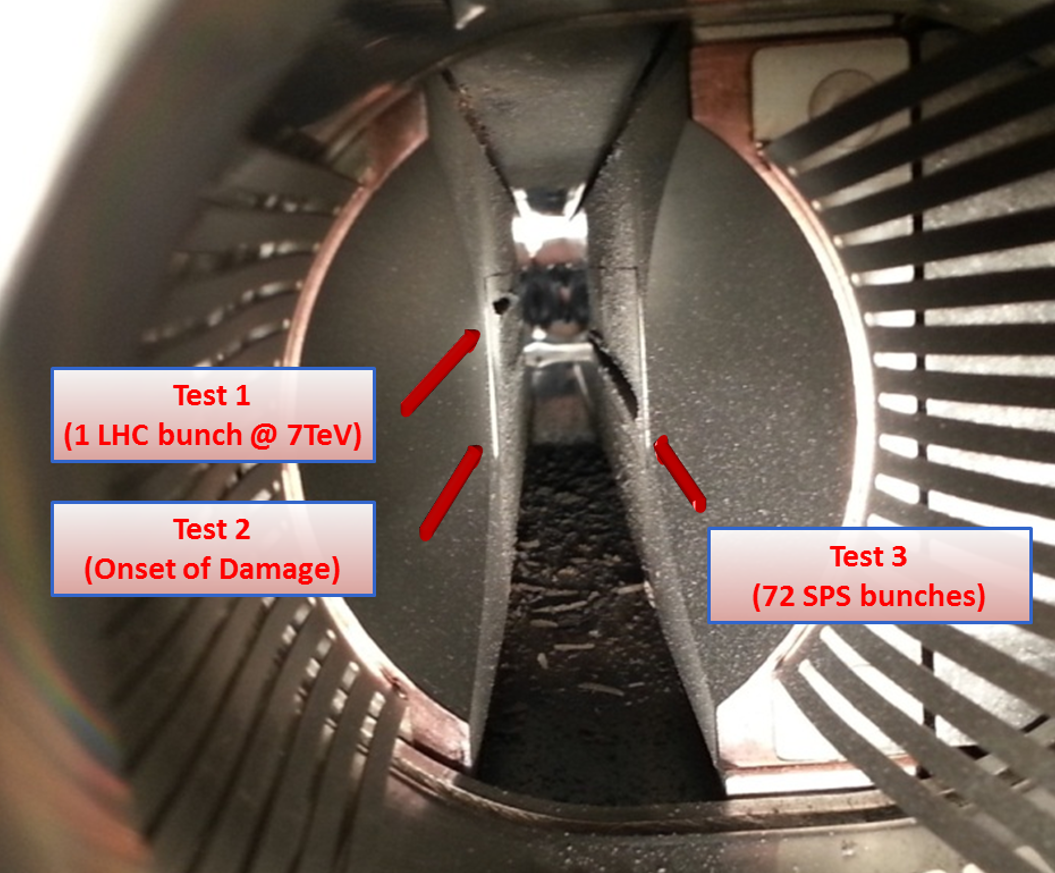
Particle Beam Impact
When circulating particles impact with a beam intercepting device, their kinetic energy is transmitted to the impacted structure under the form of heat. The concentrated heat and the strong thermal gradient that derives from this event generate stress waves, that propagate from the impacted point to the surrounding elements. This quasi-instantaneous phenomenon needs to be…