

Particle Beam Impact
Measuring Response of Structures to Particle Beam Impact
When circulating particles impact with a beam intercepting device, their kinetic energy is transmitted to the impacted structure under the form of heat. The concentrated heat and the strong thermal gradient that derives from this event generate stress waves, that propagate from the impacted point to the surrounding elements. This quasi-instantaneous phenomenon needs to be studied by appropriate Finite Element tools.
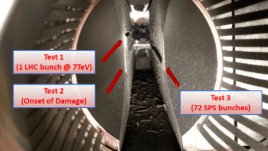
Different thermomechanical regimes
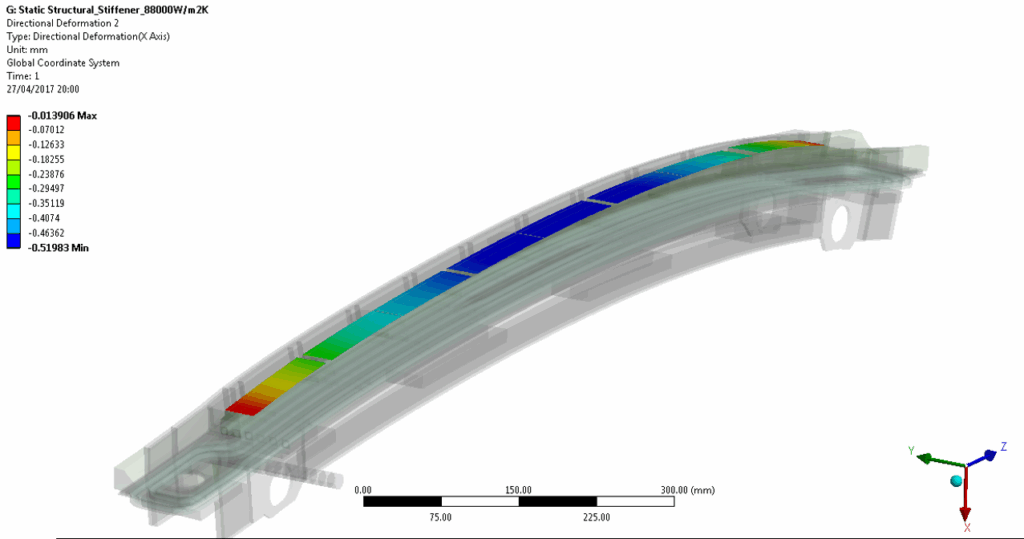
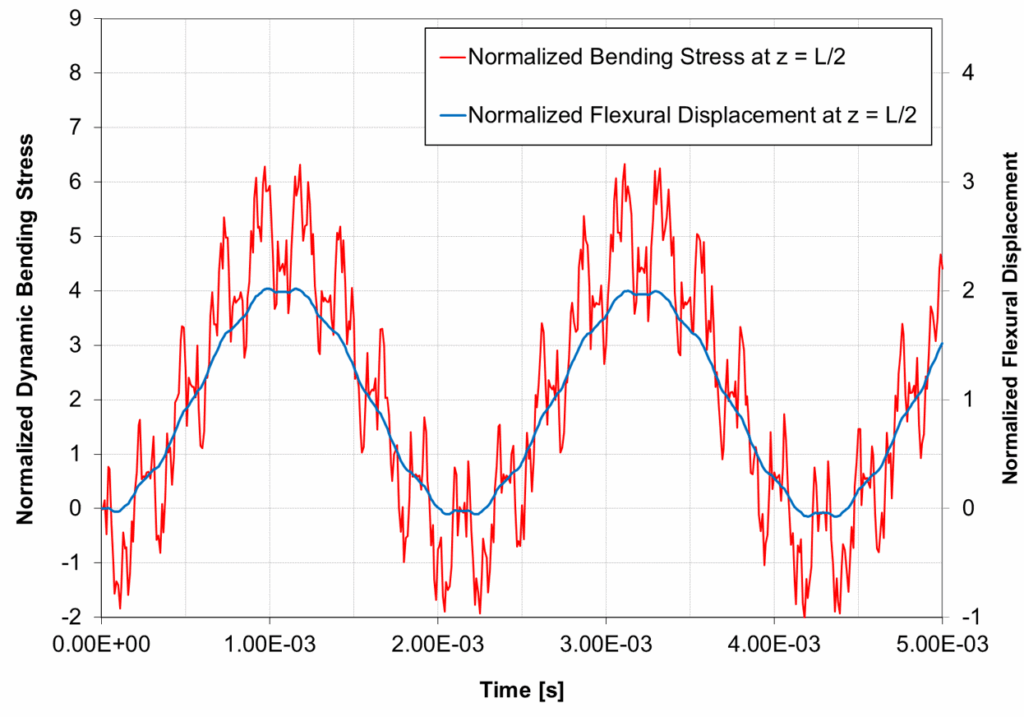
Elastic and elastoplastic regimes
In this regime, the impacted component remains in a solid state, and the amplitudes of the stress waves are either below or only slightly exceed the material’s yield strength.
Under these conditions, implicit Finite Element tools such as ANSYS are generally sufficient to accurately compute the material response.
Additionally, analytical methods, though involving a certain degree of approximation, can still be effectively employed to estimate the behavior of the material with reasonable accuracy.”
Shockwave regime
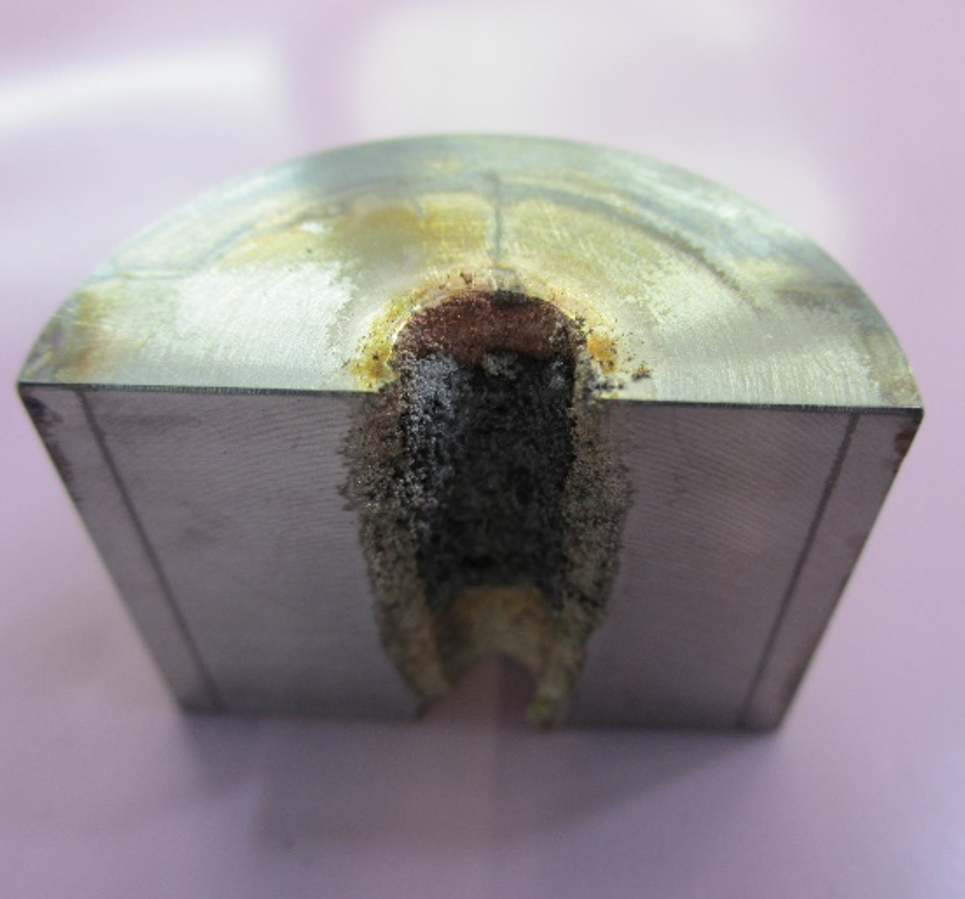
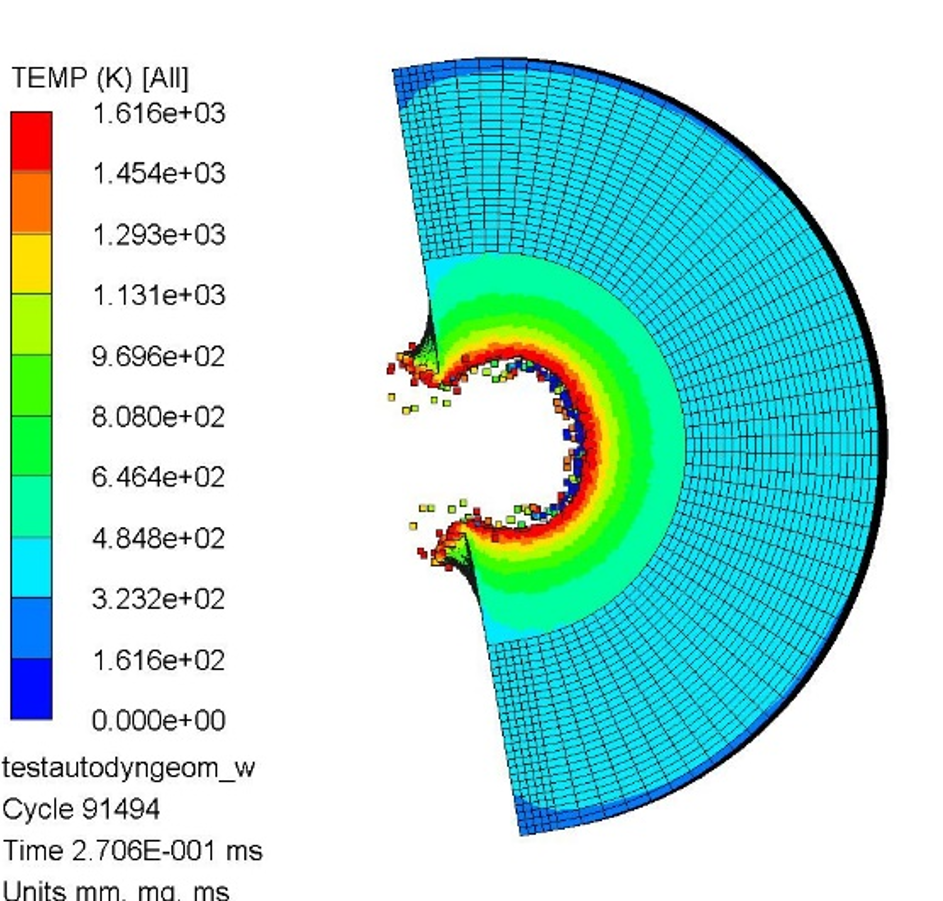
In this regime, the impacted material experiences a change of phase from solid to liquid, gas or plasma. The stress wave amplitudes are so high that the wave velocity become greater and the speed of sound, and we enter in the shock regime. A strong discontinuity of pressure, density and temperature is experienced at the wave front, and the impacted material fails in a catastrophic way. This domain requires the use of explicit Finite Element codes known as Hydrocodes (e.g. Autodyn).
Hydrodynamic tunnelling
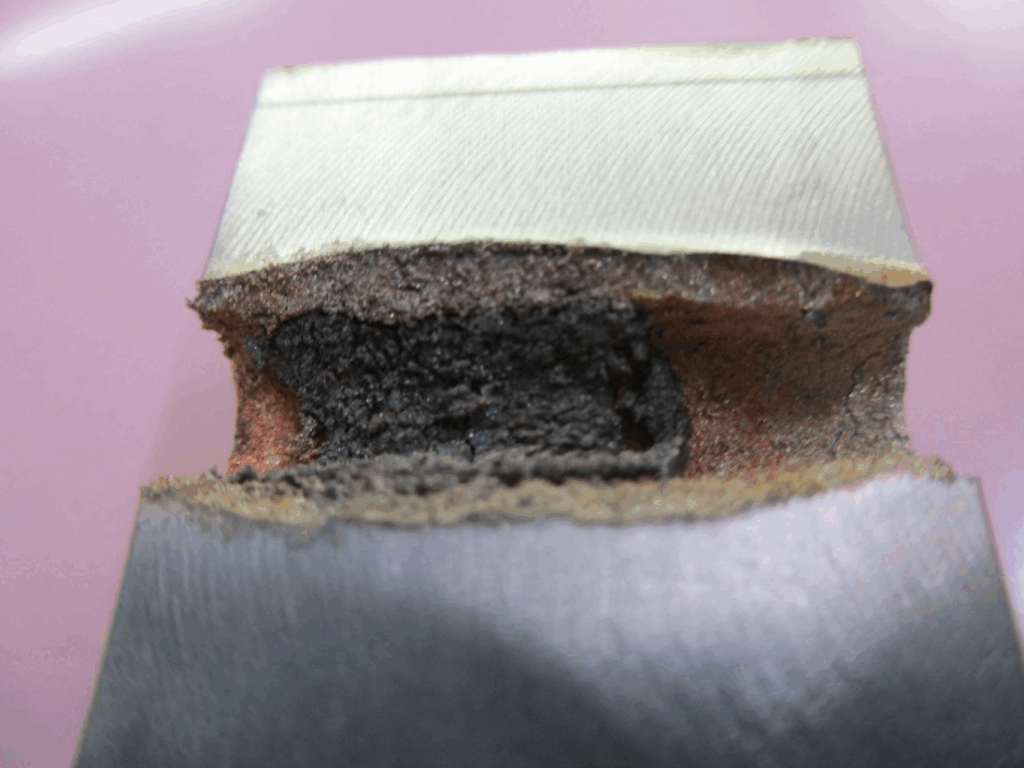
In the shockwave regime, when the duration of the impacting pulse is high enough, a change of density is produced on the beam trajectory, such that subsequent particle bunches are penetrating more and more into the target.
This phenomenon is known as hydrodynamic tunnelling, and its study requires coupling a particle transport code such as FLUKA, with an explicit FE code such as Autodyn.
FIND OUT MORE
Keen to learn more about our activities?
Find out what the Engineering Unit can do for you.